As we look toward the future, artificial intelligence (AI) is poised to become a central element of everyday life. By 2026, AI trends will likely transform various sectors, enhancing efficiency and personalizing experiences across multiple dimensions. In this article, we explore how these developments are expected to shape daily interactions and industries.
Revolutionizing Personal Assistance
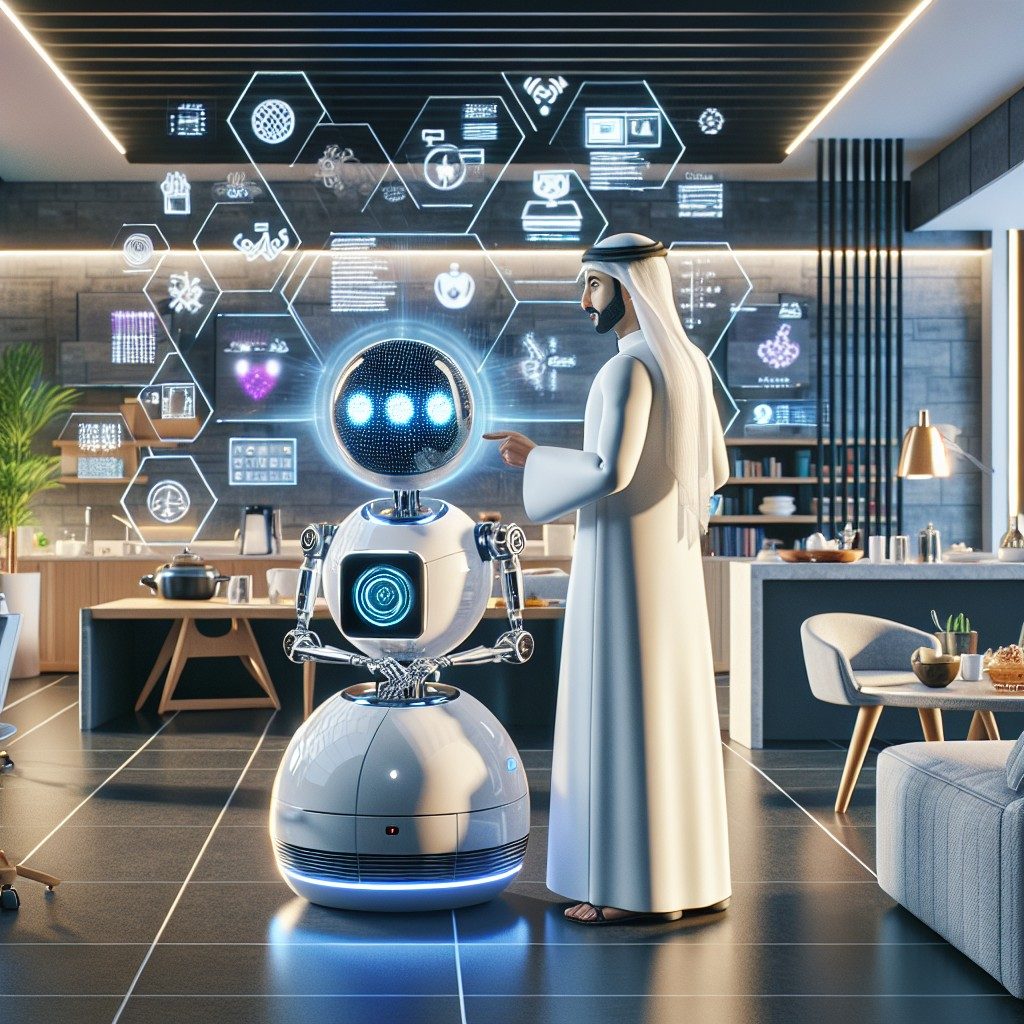
One significant trend in AI is the advancement of personal assistants. Technologies such as voice recognition and natural language processing will continue to improve, leading to more intuitive and capable digital assistants. Companies like Google, Amazon, and Apple are currently investing heavily in making their AI-driven products more responsive and user-friendly. For instance, these personal assistants will likely be capable of scheduling appointments, managing tasks, and offering real-time suggestions tailored to individual preferences. The AI trends in this sector aim to minimize friction in daily tasks, allowing people to focus on more important aspects of their lives.
AI in Healthcare: A Game Changer
The integration of AI into healthcare services will also witness significant advancement by 2026. AI-driven diagnostics and predictive analytics can improve patient outcomes by providing faster and more accurate diagnoses. Machine learning algorithms are now being employed to analyze medical data, uncover patterns, and predict potential health issues before they become serious. Furthermore, personalized medicine is on the rise, with AI tailoring treatments to individuals based on their genetic profiles. These AI trends demonstrate how technology can make healthcare more proactive and accessible to all. This emphasis on patient-centric care could lead to a healthier population with lower overall healthcare costs.
Transforming Work Environments
AI will fundamentally alter work environments, introducing automation and intelligent decision-making tools. By 2026, industries from manufacturing to services will increasingly rely on AI for routine tasks, allowing human workers to concentrate on more complex problem-solving and creative initiatives. AI systems are expected to enhance productivity and reduce error rates, which can lead to improved profitability for businesses. Moreover, the adaptation of AI tools will prompt a shift in job roles and the skills required in the workforce, making it essential for employees to adapt to these changes proactively.
Conclusion: The Future Unfolds
The predictions for AI trends leading up to 2026 suggest a future where technology seamlessly integrates into personal and professional realms. From personal assistants enhancing daily life to transformative changes in healthcare and work environments, AI will play an integral role in shaping human experience. As society embraces these advancements, it is crucial to consider the ethical implications and ensure these technologies are developed with responsibility and transparency.
Frequently Asked Questions about AI Trends
What are the key AI trends expected in 2026?
Key AI trends expected in 2026 include advanced personal assistants, AI in healthcare, and automation in work environments, significantly enhancing efficiency and personalization.
How will AI trends impact daily life by 2026?
AI trends will impact daily life by offering more sophisticated personal assistants, improving healthcare delivery, and transforming work tasks through automation.
What industries will be most affected by AI trends in 2026?
Industries that will be most affected by AI trends in 2026 include healthcare, manufacturing, retail, and finance, as they integrate AI for improved services and efficiency.
Will AI trends lead to job loss or job creation by 2026?
While AI trends may lead to some job displacement due to automation, they are also expected to create new job opportunities requiring different skills in AI management and interpretation.
How can individuals prepare for the AI trends of the future?
Individuals can prepare for AI trends by enhancing their skills in technology, data analysis, and critical thinking, as well as staying informed about advancements in the field.