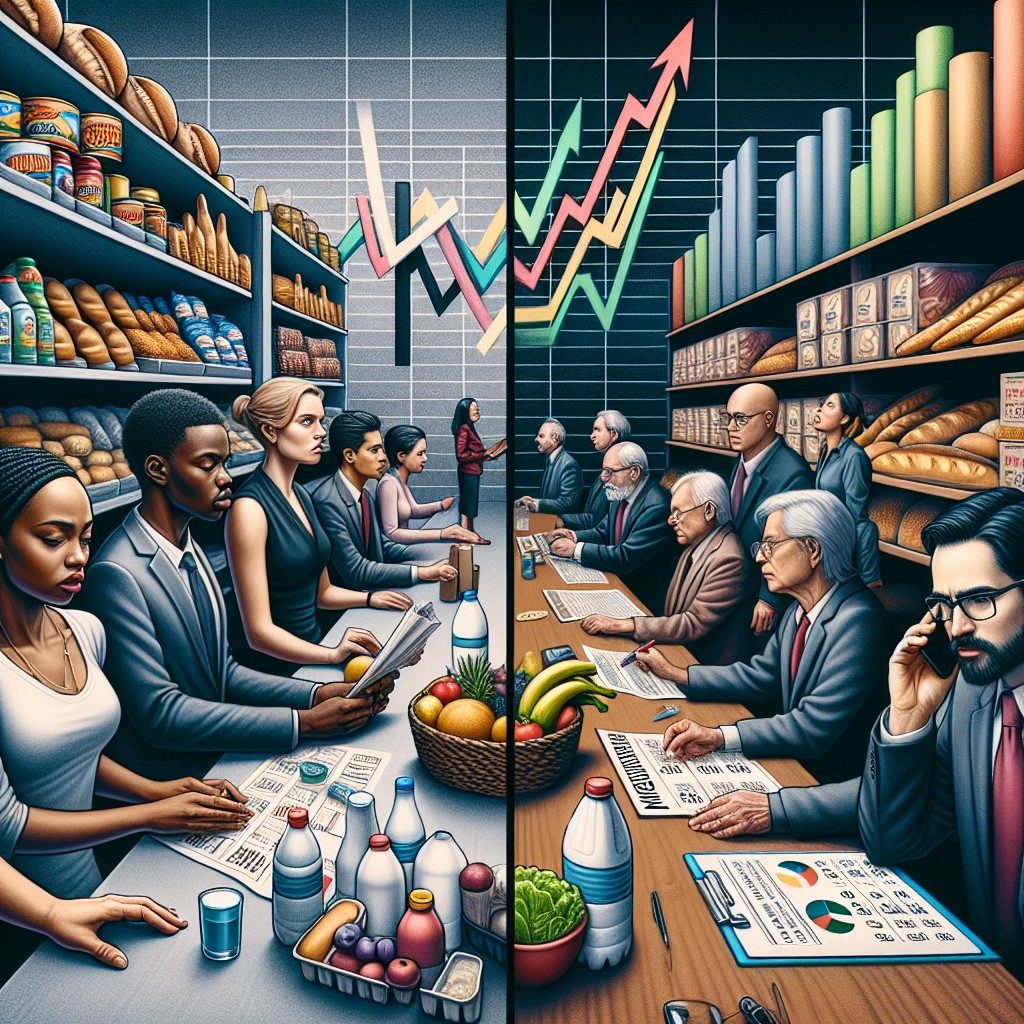
Despite ongoing economic recovery efforts, wage growth in many countries around the world remains sluggish, creating a disconnect between income and the rising cost of living. This phenomenon, known as wage stagnation, is impacting household purchasing power and contributing to growing concerns about economic inequality.
Understanding wage stagnation in a global context
Wage stagnation refers to the slow or negligible growth in real wages over time, meaning that employees are not seeing meaningful increases in their earnings after adjusting for inflation. Globally, this trend has been observed in both developed and developing countries, although its severity varies by region and economic sector. Economists point to a combination of technological changes, labor market dynamics, and policy decisions as key drivers behind the persistent stagnation in wages.
The impact of inflation on pay growth perception
Inflation rates have surged in many parts of the world, driven by factors such as supply chain disruptions, energy price shocks, and post-pandemic demand rebounds. As prices for essential goods and services rise faster than wage increases, workers experience a decline in real income, even if their nominal pay is increasing. This gap between nominal wage growth and inflation intensifies the feeling that pay rises are failing to keep pace with everyday expenses, exacerbating the tangible effects of wage stagnation.
Structural factors perpetuating wage stagnation
Several structural factors contribute to wage stagnation worldwide. Globalization has increased competition among workers internationally, often limiting upward pressure on wages. Additionally, the decline of unionization in many countries has weakened collective bargaining powers. Productivity gains have also slowed in some economies, reducing the capacity for employers to raise wages significantly. Moreover, shifts toward gig and contract work have introduced greater income volatility for a growing share of workers, complicating consistent wage growth.
Government policies and their influence on wage dynamics
Government policies, including minimum wage laws, tax structures, and labor market regulations, play a critical role in shaping wage outcomes. In countries where minimum wages have not kept up with inflation or where labor protections are limited, wage stagnation tends to be more pronounced. Conversely, some nations have implemented targeted policies to boost wage growth, such as strengthening labor rights and incentivizing fair pay practices. These measures have shown varying levels of success in addressing stagnation.
Outlook and potential solutions to address wage stagnation
Addressing wage stagnation requires a multifaceted approach involving employers, policymakers, and workers. Economic recovery plans that prioritize equitable growth, enhanced labor market protections, and investments in skills development may help close the gap between wages and living costs. While some economists remain cautious about rapid wage improvements amid ongoing global uncertainties, a sustained focus on inclusive wage policies could gradually alleviate the widespread impact of wage stagnation.
Frequently Asked Questions about wage stagnation
What is the main cause of wage stagnation worldwide?
The main causes of wage stagnation worldwide include globalization increasing labor competition, weakened union influence, slower productivity growth, and shifts towards gig economy jobs, all of which limit wage increases.
How does inflation affect the perception of wage stagnation?
Inflation reduces the real value of wages, so even if nominal pay rises, workers may feel that their income does not keep up with the cost of living, intensifying the perception of wage stagnation.
Are minimum wage laws effective in combating wage stagnation?
Minimum wage laws can help combat wage stagnation if they are regularly adjusted to match inflation and living costs, thereby ensuring that the lowest-paid workers see meaningful income growth.
Which sectors are most affected by wage stagnation?
Sectors with a high share of low-skilled or gig workers, such as retail, hospitality, and some service industries, tend to experience more pronounced wage stagnation compared to sectors with stronger labor protections.
Can wage stagnation impact economic growth?
Yes, wage stagnation can suppress consumer spending and reduce overall demand, potentially slowing economic growth and contributing to greater income inequality within societies.